
| 35g
top protein |
15.2g
top fiber |
Yes
all under 30 min |
Yes
all gluten-free |
Anti-inflammatory eating has moved from a fringe health concept to the second most popular dietary pattern in 2026, for a straightforward reason: the connection between food and systemic inflammation is now well established in the research literature. Chronic low-grade inflammation is implicated in joint pain, fatigue, cardiovascular risk, and cognitive decline — and dietary choices appear consistently as a meaningful modifiable factor.
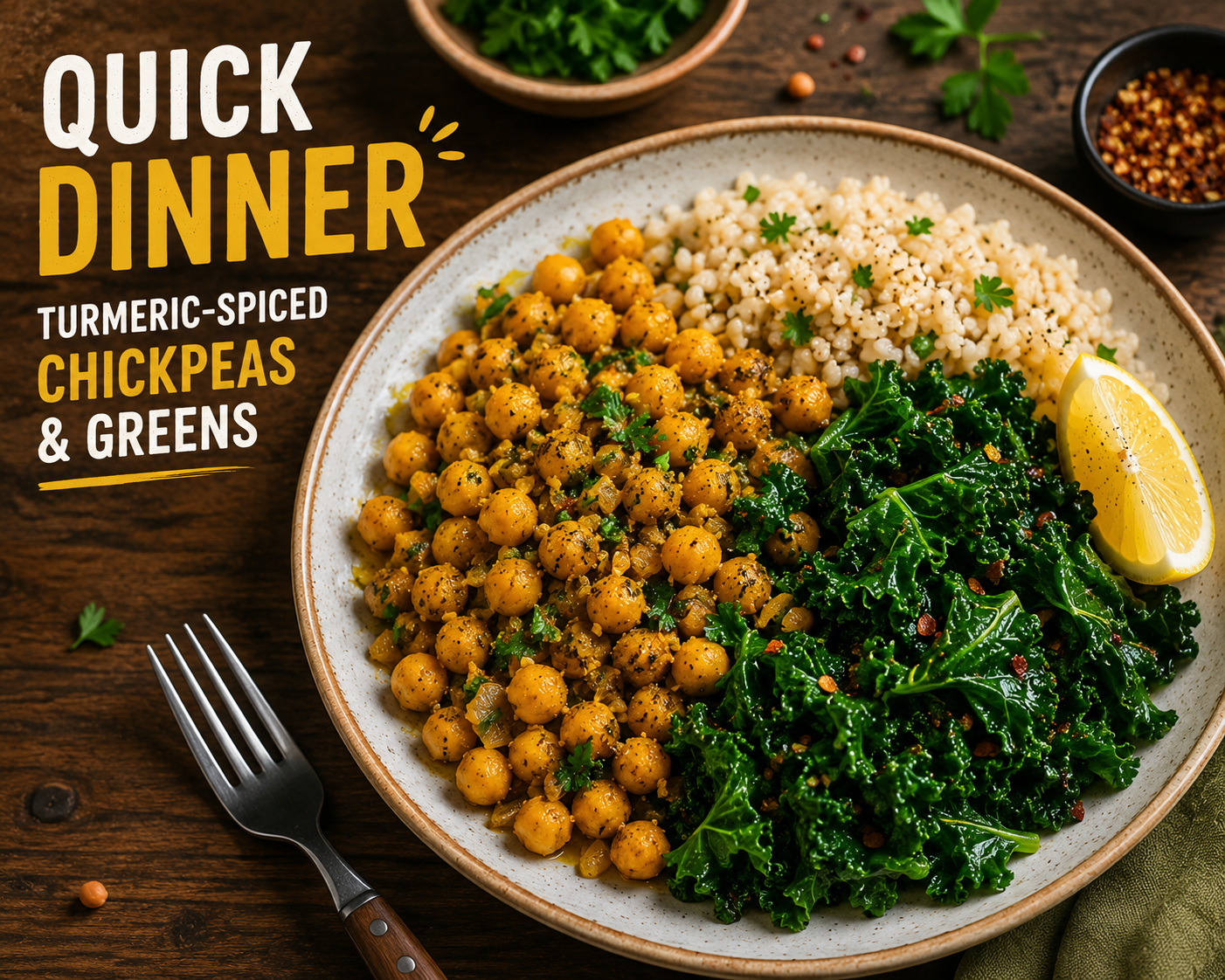
These two recipes are not medicinal. They are dinners — complete, satisfying, genuinely good to eat — that happen to be built from ingredients that nutritional science consistently identifies as anti-inflammatory: turmeric, curcumin, dark vegetables, legumes, and high-quality plant protein. They are also ready in 15–30 minutes, which makes them accessible on the evenings when feeling better is the goal but energy for elaborate cooking is not available.
Note: Both recipes also appear in earlier articles in the high-protein collection. Below we focus on the anti-inflammatory angle, ingredient science, and cooking technique.
Buckwheat Tempeh Roast (Anti-Inflammatory Focus)
| 35g
protein |
8.2g
fiber |
$2.05
cost/serving |
15 min
time |
Ingredients
- 1 cup buckwheat groats
- 2 cups tempeh, sliced
- 2 cups carrots, sliced
- 2 cups pumpkin, sliced
- 2 cups kale
- 2 cups tomatoes, chopped
- 1 large yellow zucchini, sliced
- 1 large onion, thinly sliced
- 1 tablespoon olive oil
- 1 teaspoon turmeric
- 1/4 teaspoon black pepper (activates curcumin)
- 1 tablespoon taco or creole seasoning
- Salt, to taste
Instructions
- Start the buckwheat on the stovetop: 1 cup buckwheat to 2 cups water, bring to boil, simmer 15–20 minutes.
- Preheat oven to 400°F (200°C). Grease a baking tray.
- Toss tempeh, carrots, pumpkin, and onion with olive oil, turmeric, black pepper, and taco seasoning.
- Arrange in a single layer on the tray. Bake 15 minutes until golden.
- Add the kale, tomatoes, and zucchini for the final 5 minutes.
- Serve over cooked buckwheat groats.
| Tested note:
The anti-inflammatory version of this recipe adds turmeric and black pepper to the seasoning mix specifically because they work together. Curcumin — turmeric’s active compound — is poorly absorbed by the body on its own. Piperine in black pepper increases that absorption by up to 2000%. Adding both to the same dish is the evidence-based approach: same ingredients, meaningfully better effect. |
| Fun fact:
Turmeric has been used medicinally in Ayurvedic practice for over 4,000 years, primarily for its anti-inflammatory properties. Modern clinical research confirms what traditional medicine observed: curcumin inhibits multiple inflammatory pathways simultaneously, which is why it appears in so much of the current research on dietary approaches to chronic inflammation. |
Roasted Veggies with Tofu Cheese (Anti-Inflammatory Focus)
| 21g
protein |
15.2g
fiber |
$1.95
cost/serving |
30 min
time |
Ingredients
- 1 block (8 oz) firm tofu, cut into wedges
- 2 green zucchini, cut into wedges
- 1 large eggplant, cut into wedges
- 2 cups broccoli florets (a top anti-inflammatory vegetable)
- 1 small can lentils, drained and rinsed
- 2 tablespoons olive oil
- 1 teaspoon turmeric
- 1 teaspoon chili powder
- 1 teaspoon mild curry powder
- 1 teaspoon salt
- 1/4 teaspoon black pepper
- 1 cup roasted chickpeas, to serve
Instructions
- Preheat oven to 400°F (200°C) and grease a baking tray.
- Cut tofu, eggplant, and zucchini into similarly sized wedges.
- Combine all vegetables and tofu in a bowl. Toss with olive oil, turmeric, chili powder, curry powder, salt, and black pepper.
- Arrange in a single layer on the tray. Bake 15–20 minutes until golden.
- Add broccoli for the final 5 minutes.
- Plate and top with roasted chickpeas.
| Tested note:
Broccoli is included in this recipe for its sulforaphane content — a compound that has shown anti-inflammatory and antioxidant effects in multiple studies. Adding it in the final 5 minutes rather than from the start of roasting preserves more of its beneficial compounds, which are heat-sensitive. Slightly undercooked broccoli — just tender, not mushy — retains more nutritional value than broccoli that has been in the oven for the full cooking time. |
Why These Two Recipes Together
Used together on alternating nights, these two recipes create a varied anti-inflammatory dinner rotation that covers different protein sources (tempeh vs. tofu), different vegetable profiles (root vegetables vs. cruciferous), and different spice combinations — which matters because dietary diversity itself is associated with better inflammatory outcomes than relying on any single anti-inflammatory ingredient repeatedly.
| From the cookbook:
Both recipes come from the Healthy Vegan Cookbook in the full cookbook bundle. For more anti-inflammatory plant-based content see Article 22 (gut-healthy soups and stews) and our complete cookbook bundle. [Get the bundle] |