
Hydration is often understood as drinking enough water.
For general health, water does the job. Most people can meet basic hydration needs through fluids alone, especially when meals already include a variety of whole foods.
At the same time, fluid intake alone isn’t enough.
You may still notice low energy, sluggish digestion, and headaches. You may have a heavy feeling after meals, even when you’re regularly drinking water and other liquids.
These signals suggest that you need more electrolytes or lost minerals due to sweat, weather, or physical activity. They often reflect how the body interacts with food, fiber, and minerals in the diet to perform basic functions.
A well-planned vegan diet supports hydration in a complementary way.
Whole plant foods naturally contain water, fiber, and electrolytes. When meals include enough of these foods, you keep the body hydrated throughout the day.
Your goal isn’t tracking, but seeking balance.
That’s why hydration-supportive habits ensure these vegan drinks and meals become intuitive and a part of everyday meal planning.
🌱 Hydration Is Closely Linked to Digestion
Hydration and digestion work together.
When fluid intake is low, digestion slows. Stool becomes harder to pass. You experience increased bloating and stomach discomfort. Over time, this creates strain in the digestive system.
Water alone doesn’t solve this.
Fiber needs water to move smoothly through the gut. Without enough hydration, even high-fiber diets can feel heavy or uncomfortable.
Plant foods help bridge this gap.
Water-rich vegetables and fruits supply both fluid and fiber in the same bite. According to a research study, fiber can help soften your stool. When it combines with liquids from meals, it supports smoother digestion, reduces constipation, and lowers friction in the gut.
Study link: https://www.ncbi.nlm.nih.gov/books/NBK619130/
Cheesy Coleslaw
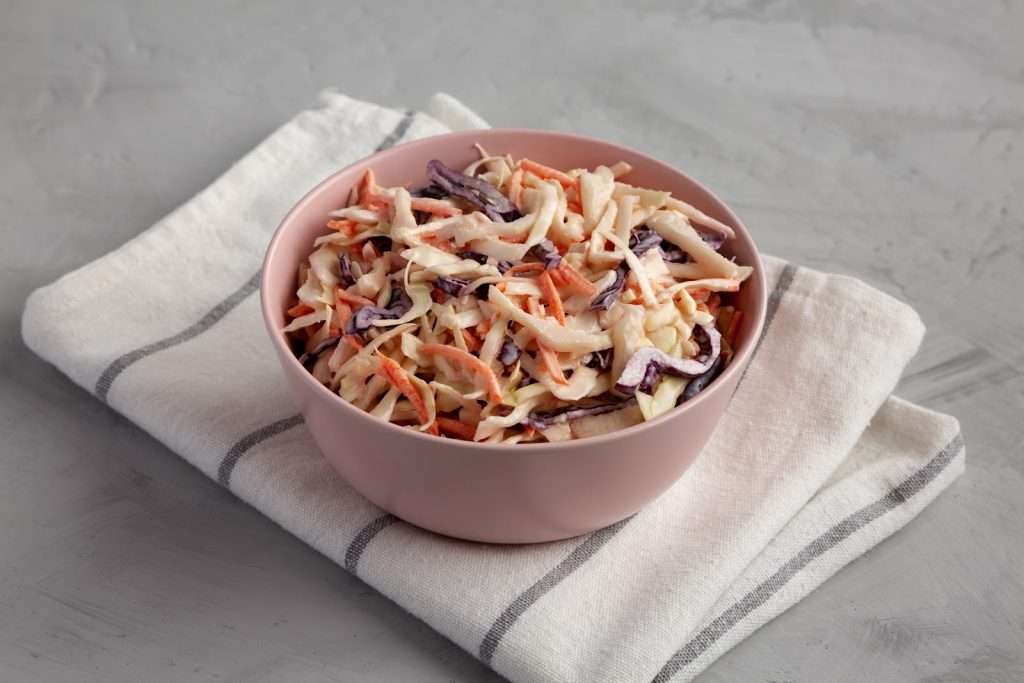
Prep Time 10 mins Cook Time 5 mins 4 servings
Ingredients:
- 1 cup cabbage, shredded
- 1 cup carrot, grated
- 1 cup green bell pepper, thinly sliced
- 1 cup white mushrooms, finely chopped
- ½ teaspoon salt
- 1 teaspoon paprika
- 1 tablespoon soy sauce
- ½ teaspoon garlic powder
- 6 tablespoon almond cheese spread
DIrectIons:
- Shred the cabbage. Grate the carrot.
- Thinly slice the bell pepper.
- Boil mushrooms for 5 minutes,
- Pat dry and finely chop the mushrooms
- Add the vegetables and mushrooms to a large bowl
- Toss well with cheese, soy sauce, salt, paprika, and garlic powder.
- Divide into 4 equal bowls and serve immediately.
🌱 Mild Dehydration Affects Energy and Focus
You don’t need to be severely dehydrated to feel the effects.
Even mild dehydration has been shown to reduce energy, memory, and concentration, as well as physical performance. These effects often appear before thirst becomes obvious.
This is why fatigue sometimes improves after adding electrolyte-rich drinks and liquid meals, not just gulping down water.
Hydrating foods contribute lost minerals to your body. They support steadier hydration rather than short spikes from large amounts of water consumed at once.
Study link: https://pubmed.ncbi.nlm.nih.gov/22855911/
🌱 Electrolytes Matter, Not Just Water
Hydration depends on electrolyte balance. Electrolytes play a key role in fluid distribution and retention in the body.
Minerals like sodium, potassium, and magnesium help regulate fluid balance, nerve function, and muscle function. Drinking large amounts of plain water during prolonged sweating, exercise, or low food intake can dilute this balance.
Whole plant foods naturally supply electrolytes in moderate amounts. This is one reason beverages with mineral content and soup meals often support hydration better than plain water alone.
Study link: https://pubmed.ncbi.nlm.nih.gov/31082167/
Berry Hydration Smoothie
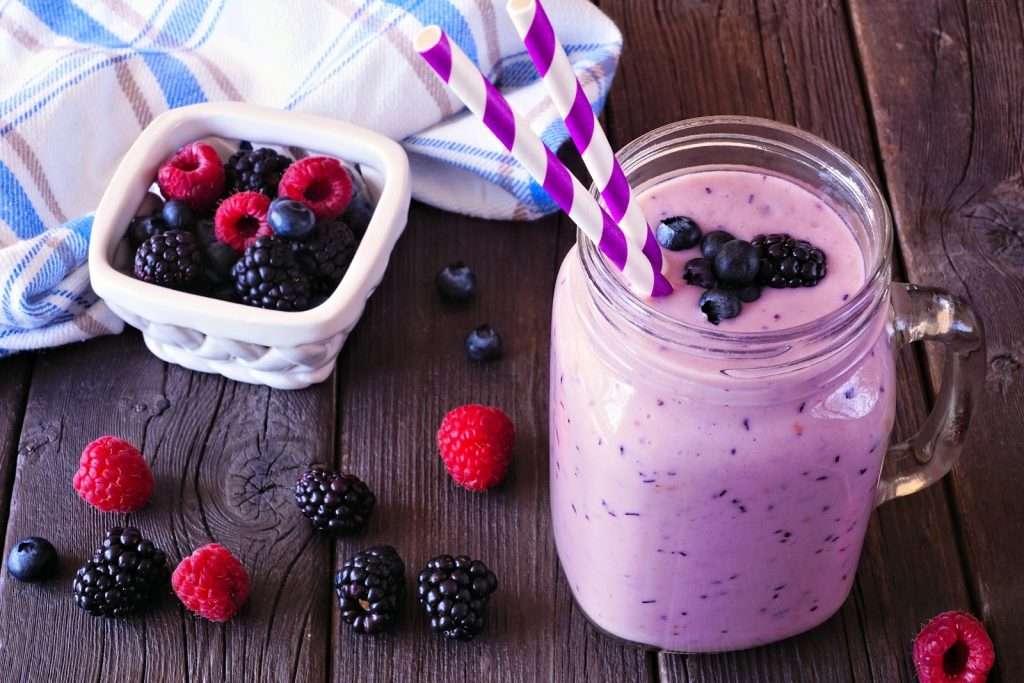
Prep Time 5 mins Cook Time 0 mins 2 servings
Ingredients:
- ½ cup frozen mixed berries (strawberries, blueberries, raspberries)
- ½ cup coconut water
- ½ cup dairy-free yogurt (like almond or coconut)
- 1 tablespoon flax seeds
- ½ cup water or ice cubes
DIrectIons:
- Blend all ingredients until smooth.
🌱 How Water-Rich Plant Foods Support Hydration
Some foods contribute more to hydration because of their structure.
They contain high water content, fiber, and minerals that help support a gradual fluid balance rather than a rapid surge.
They don’t replace water but support it.
🥒 Water-Rich Vegetables
Vegetables like cucumbers, gourds, zucchini, tomatoes, and leafy greens contain high water content.
They hydrate while supporting digestion.
🍉 Hydrating Fruits
Fruits such as watermelon, citrus, berries, papaya, and pears provide fluid with fiber.
They hydrate without overwhelming blood sugar when eaten with meals.
Portions and food pairing matter if you’re facing insulin sensitivity issues and blood sugar spikes.
Strawberry and Basil Infusion

Prep Time 5 mins Cook Time 0 mins 2-3 servings
Ingredients:
- 5 strawberries, halved
- 2-3 cucumber rounds
- 4 fresh basil leaves
- 4 cups water
Directions:
- Add strawberries, cucumber, and basil to the water.
- Chill for 1–2 hours.
🍲 Soups and Brothy Meals
Soups contribute fluid that the body absorbs gradually. They support hydration and digestion at the same time, and are especially useful when appetite is low.
🌱 Other Foods That Support Hydration
Legumes, whole grains, fermented foods, and lightly salted plant foods also help maintain fluid balance.
🌱 Why These Foods Work Well Together
These foods are singular sources of fluid, fiber, and electrolytes while they fit naturally into everyday meals. They reduce dehydration without having you rely on drinking excess water or energy drinks.
They don’t look “hydrating,” but support fluid intake quietly.
🌱 The Hydration-Supportive Vegan Plate
A hydration-supportive vegan plate includes:
- Water-rich vegetables or fruits
- Fiber-containing whole foods
- Moderate natural electrolytes
- Minimal ultra-processed foods
This structure supports hydration without conscious tracking.
🌱 Why This Pattern Works Long-Term
Hydration habits are harder to maintain when they rely on reminders.
Meals and snacks built around hydrating foods reduce that effort. You hydrate as you eat. Over time, digestion gets smoother, and your energy level remains consistent.
This approach works because it fits into normal routines.
Want Simple Vegan Meals That Support Hydration?
Our Vegan Diet & Healthy Cookbook Bundle and our Vegan Senior Cookbook Bundle focus on whole-food meals and drinks that naturally support hydration, digestion, and everyday energy.